



Table of contents
- Introduction
- Why Does 3 P.M. Fatigue Feel Worse Over Time?
- The Urban Lifestyle Is Quietly Draining You
- Stress and Fatigue Are Secret Business Partners
- How Do You Actually Fix Office Fatigue?
- The Ultimate Daily Support for Working Professionals
- The Bigger Picture
- FAQs
Introduction
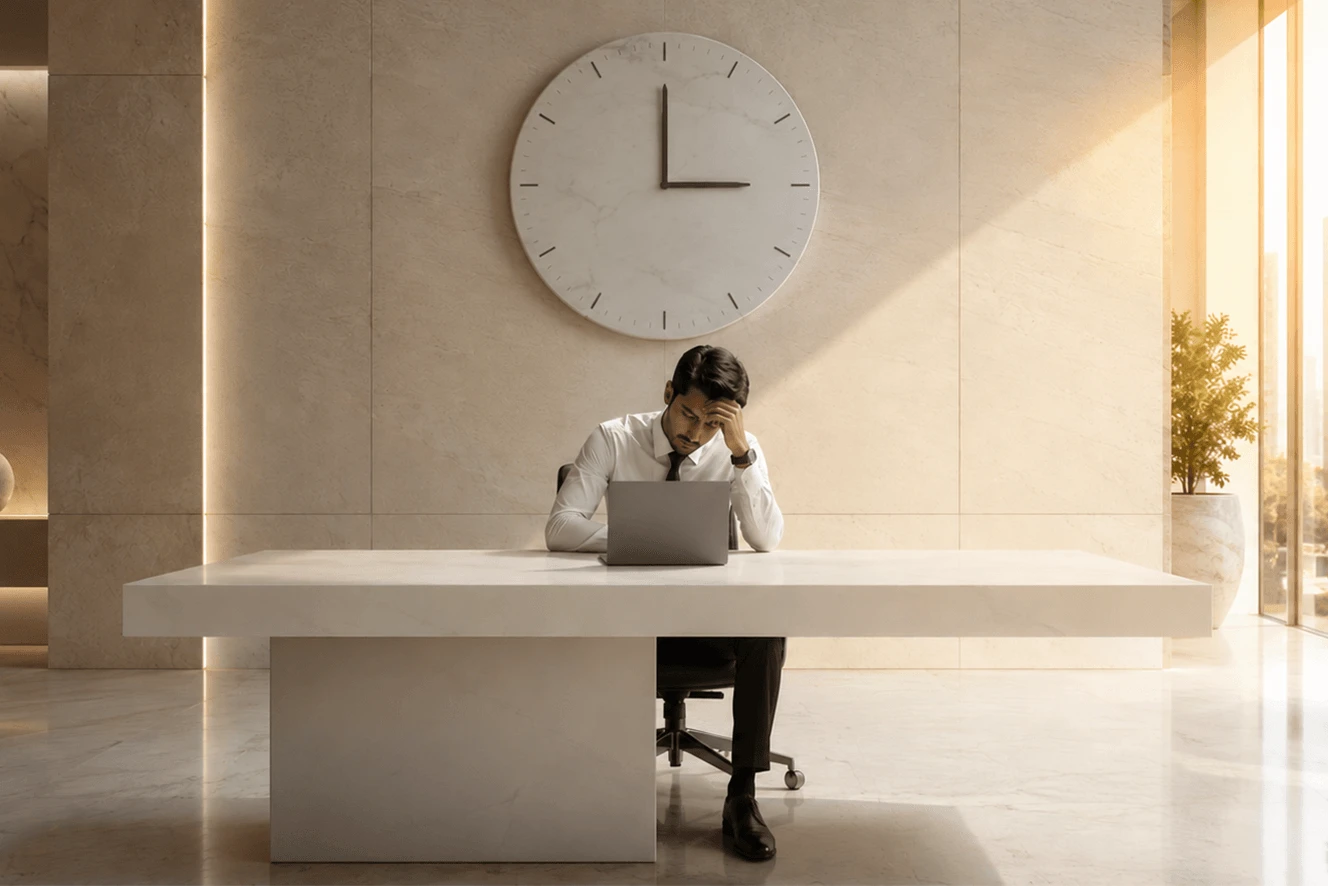
There’s a very specific kind of sadness that hits around 3 p.m.
Your lunch break is over. Your inbox has multiplied like mosquitoes in monsoon season. And suddenly, your body feels like it switched from a “high-performance machine” to a “government office printer.”
If this sounds familiar, welcome to the club nobody talks about enough: dealing with afternoon fatigue in your thirties.
The funny part? Most people think it’s just a normal tax on aging. “Itna toh hota hai.” “Corporate life hai boss.” “Weekend pe recover kar lunga.” But here’s the truth: while changes in your body play a role, the real problem is usually a messy cocktail of lifestyle habits, stress, nutritional gaps, poor recovery, and the sheer chaos of modern urban living. Especially in Indian cities, where workdays start with mind-numbing traffic jams and end with severe screen fatigue.
Let’s unpack why your body starts sending you invoices as the years pass, and how you can actually reclaim your day.
Why Does 3 P.M. Fatigue Feel Worse Over Time?
In your early 20s, your body behaves like that one friend who survives on instant noodles and still wakes up fresh for a 7 a.m. trek.
With increasing age, changes in sleep, recovery, and circadian regulation may influence energy levels. Your system starts demanding payment for services rendered.
Your recovery slows down, stress accumulates faster, and your sleep quality changes. Suddenly, your energy levels become directly linked to how well you actually support your body. That’s why the 3 p.m. fatigue starts feeling much more dramatic than it used to.
You’re not lazy. Your system is simply carrying more load than before.
The Urban Lifestyle Is Quietly Draining You
Most conversations about health focus on dramatic diagnoses. But honestly? The biggest energy thief is usually your daily routine.
Think about the average urban workday: long screen hours, skipped breakfasts, heavy lunches, constant stress, poor posture, low movement, and an alarmingly high caffeine intake. That combination creates the perfect storm for urban lifestyle fatigue. Somewhere between client calls and traffic jams, your internal vitality may be affected by inadequate nutrition, hydration, or recovery.
Why Tiredness After Lunch Happens
Let’s address the 3 p.m. elephant in the room: lunch. A heavy, carb-loaded meal can absolutely contribute to deep tiredness after lunch, especially when your body is already stressed or sleep-deprived. However, the 3 p.m. dip is primarily driven by circadian rhythm, and meals can worsen it, but are not the root cause. Digestion temporarily demands more blood flow and metabolic energy, making you feel slow. Add poor hydration and sitting static for hours afterward, and congratulations, you’ve unlocked “afternoon zombie mode.”
When looking closer at the primary fatigue causes in adults, persistent low energy is frequently linked to hidden internal factors, such as:
- Low Iron and low Vitamin D
- Poor B-Vitamin intake
- Stress overload and lack of physical activity
- Daily micronutrient deficiency
Stress and Fatigue Are Secret Business Partners
Nobody likes talking about stress because modern corporate culture completely romanticizes burnout. Busy equals successful. Exhausted equals hardworking. But chronic stress and fatigue work together like toxic coworkers. Stress ruins your sleep quality. Poor sleep blocks your physical recovery. Bad recovery tanks your energy. And low energy increases your stress.
Suddenly, you are functioning like a premium smartphone stuck on 12% battery all day.
How Do You Actually Fix Office Fatigue?
Good news: you don’t need to disappear into the Himalayas to fix this. Most effective office fatigue remedies are surprisingly simple.
- Stop Treating Sleep Like Optional DLC: Sleep is not a reward after productivity. It is the biological reason productivity exists in the first place.
- Move More Than Your Thumb: Your body was not designed to sit in an ergonomic chair for 9 hours while emotionally surviving on Slack notifications. Stand up every hour.
- Support Your Nutrition Better: This is the part most people completely underestimate. Your body depends on essential micronutrients for energy production, recovery, and muscle function.
The Ultimate Daily Support for Working Professionals
Modern professionals don’t lack ambition; they lack recovery. That’s why finding a sustainable, clean energy boost for working professionals has become more relevant than ever.
When your daily diet falls short, bridging those micronutrient gaps can completely flip the script on your day. This is where a trusted daily companion like Pure Veg HealthOK Multivitamin Tablets for Men & Women helps support daily nutritional needs and contributes to normal energy metabolism.
Instead of giving you a temporary spike, HealthOK supports nutritional needs and energy metabolism. It is uniquely formulated with Natural Ginseng and Taurine to actively help support daily energy levels and physical performance. Plus, with a power-packed blend of essential vitamins and minerals, it ensures your body gets the exact structural support it needs.
The best part? It is a pure veg, hassle-free daily habit that fits seamlessly into your wellness journey without adding any extra stress to your routine.
The Bigger Picture
Here’s what nobody tells you about adulthood: energy is a finite resource. How you manage it quietly shapes your mood, your focus, your productivity, and your consistency.
If dealing with afternoon fatigue after 30 has started feeling like a permanent personality trait, stop settling for it. Your body isn’t asking for biological perfection; it’s just asking for better support.
Switch to HealthOK, and experience the positive difference in your daily energy levels.
FAQs
After 30, your body’s recovery, sleep quality, and stress management naturally change. Combined with hectic routines, poor nutrition, and long work hours, this makes afternoon fatigue after 30 feel more noticeable.
Common reasons behind 3 p.m. fatigue include heavy lunches, poor sleep, stress overload, long screen hours, nutritional deficiencies, low physical activity, and excess caffeine intake.
Tiredness after lunch often happens because digestion uses energy and blood flow. Heavy meals, dehydration, stress, and sitting continuously for long hours can make the post-lunch energy crash even worse.
Occasional tiredness is normal, but constant low energy after 30 may be linked to stress, poor recovery, nutritional gaps, or lifestyle habits that need better support.
Yes. Low levels of Iron, Vitamin D, B Vitamins, and other micronutrients can affect energy production, focus, recovery, and overall wellness.
Some common fatigue causes in adults include stress and burnout, lack of sleep, poor diet, sedentary lifestyle, nutritional deficiencies, excessive screen time, and inconsistent routines.
Simple office fatigue remedies include taking movement breaks, staying hydrated, improving sleep quality, eating balanced meals, managing stress better, and supporting nutrition with essential vitamins & minerals.
Stress and fatigue are closely connected. Chronic stress affects sleep, recovery, focus, and overall energy levels, often making people feel mentally and physically exhausted throughout the day.
Working professionals can support daily energy through better sleep habits, consistent hydration, physical activity, balanced nutrition, and daily nutritional support with essential vitamins & minerals.
Pure Veg HealthOK Multivitamin Tablets are formulated with Natural Ginseng, Taurine, and essential vitamins & minerals to support active energy, overall wellness, and everyday nutritional needs for modern working lifestyles.
-1783252105.webp)


-1783250004.webp)
-1783250959.webp)